Washer & Dryer Repair in Gloucester, MA
Appliance Repair for Homes & Businesses in Gloucester, Ipswich, Essex, Rockport, Massachusetts and Nearby Areas
Washer and Dryer Repair in Gloucester, Massachusetts | Appliance Repair Pros
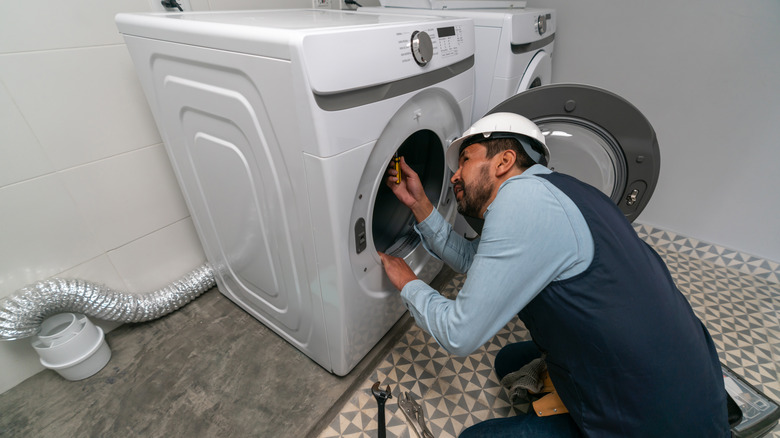
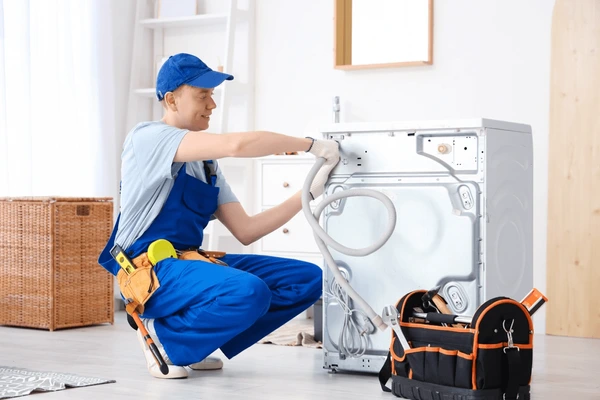
Washer and Dryer Repair in Gloucester, Massachusetts is vital for maintaining the rhythm of a busy household. Laundry is a never ending task and when one of your machines fails the backlog builds up instantly. Wet clothes trapped in a washer start to smell within hours while a broken dryer forces you to hang damp items all over your living space. You need a solution that eliminates the hassle of trips to the laundromat. Appliance Repair Pros provides expert diagnostics and repair for homeowners in Gloucester and the surrounding communities of Rockport, Essex, and Ipswich.
We encounter a wide range of laundry appliance issues that disrupt your week. You might find your washing machine filled with water that refuses to drain or a dryer that spins but generates no heat. Perhaps the washer shakes violently during the spin cycle or the dryer emits a loud squealing noise that can be heard throughout the house. In some cases digital error codes flash on the display or the unit simply refuses to start. We address these issues with meticulous diagnostics and respectful work habits. We treat your laundry room with care and focus on identifying the specific mechanical or electrical failure. Whether you have a stackable unit in a closet or a dedicated laundry room in a colonial home we are ready to help.
Contact us today.
Washer and Dryer Repair Services in Gloucester
Our team offers a complete range of repair services for all major laundry configurations. We understand that modern laundry appliances have evolved from simple timers and motors to complex machines with weight sensors and balance control logic. We do not just clear vents. We analyze the drive systems, electronic controls, and safety circuits to ensure your clothes are cleaned and dried safely. Homeowners in Gloucester trust us to handle both gas and electric laundry appliances.
Washer and Dryer systems we work on
- Top loading washing machines (agitator and impeller)
- Front loading washing machines
- Gas dryers
- Electric dryers
- Stackable washer dryer combos
- All in one laundry centers
- High efficiency (HE) units
- Compact and portable models
What makes laundry repair tricky
- Lid lock mechanisms with magnetic latches
- Direct drive motors versus belt driven systems
- Electronic control boards with inverter technology
- Gas valve coils that fail only when hot
- Moisture sensors that shorten cycle times
- Tub bearings and spider arm assemblies
- Complex suspension rods and dampers
- Internal dryer venting paths
Common Washer and Dryer Problems We Fix
Laundry appliances show specific symptoms that point to underlying failures in the drive train, drainage, or heating systems. We have organized the most frequent issues we encounter to help you understand what might be happening with your washer or dryer.
Washer Not Draining
A washer full of soapy water is a messy problem. If the machine finishes the cycle but the clothes are soaking wet and water remains in the tub it indicates a drainage failure. This prevents the spin cycle from engaging effectively. It is often caused by a blockage or a pump failure rather than a major motor issue.
Likely causes
- Small clothing item (sock/baby clothes) in the pump
- Failed drain pump motor
- Broken impeller fins
- Clogged coin trap or debris filter
- Lid switch failure (safety interlock)
- Kinked drain hose behind the unit
- Control board not sending voltage to the pump
How we diagnose it
We listen for the sound of the pump trying to run. If it hums but does not move water it is likely jammed. We clamp the drain hose and inspect the pump housing for debris. If the pump is silent we test for voltage at the pump terminals. We also check the lid switch because many washers will not drain if they believe the lid is open.
What you can do right now
Check the drain hose to ensure it is not bent or crushed. If your washer has a front access door open it to check the cleanout filter (have a towel ready for water).
Dryer Not Heating
A dryer that spins but leaves clothes cold and wet is useless. Whether you have a gas or electric model the result is the same. You run the cycle for an hour only to find damp laundry. This is one of the most common dryer complaints we receive.
Likely causes
- Burned out heating element (Electric)
- Tripped house circuit breaker (Electric)
- Weak gas valve coils (Gas)
- Blown thermal fuse
- Defective igniter (Gas)
- Failed flame sensor (Gas)
- Timer or control board failure
How we diagnose it
For electric dryers we test for 240 volts at the outlet and then test the heating element for continuity. For gas dryers we observe the ignition sequence. If the igniter glows and goes out without a flame it usually points to the gas coils. If nothing happens it could be the thermal fuse which is a safety device that blows if the vent is clogged.
What you can do right now
Check your lint trap. Check the circuit breaker (electric dryers have two breakers, sometimes only one trips). Ensure the gas valve behind the dryer is fully open.
Washer Shaking or Vibrating Excessively
If your washing machine walks across the room or sounds like a jackhammer during the spin cycle it is out of balance. While some vibration is normal violent shaking can damage the floor and the machine itself. It often indicates a suspension failure.
Likely causes
- Worn suspension rods or springs
- Broken shock absorbers (Front loaders)
- Loose concrete counterweights
- Tub bearing failure
- Uneven leveling legs
- Overloading the machine with heavy items
How we diagnose it
We press down on the tub to test the recoil of the suspension rods. If the tub bounces like a basketball the rods are worn. We spin the tub by hand to feel for roughness in the bearings. We also check the leveling feet to ensure the machine is firmly planted on the floor.
What you can do right now
Try redistributing the load. Wash heavy items like towels separately from light items. Push on the corners of the washer to see if it rocks and adjust the feet if necessary.
Dryer Making Loud Noises
A quiet hum is normal but squealing, thumping, or grinding is not. These noises typically get worse over time and can eventually lead to the drum stopping completely. They are usually caused by wear on the moving parts that support the heavy drum.
Likely causes
- Worn drum support rollers
- Idler pulley bearing failure
- Worn glides or slides at the front of the drum
- Broken blower fan wheel
- Belt fraying or shredding
- Loose object trapped in the blower housing
How we diagnose it
We listen to the type of sound. A rhythmic thump often means a flat spot on a roller. A high pitched squeal usually points to the idler pulley tensioner. We disassemble the cabinet to inspect the condition of the belt and rollers. We also check the blower wheel for pens or coins that might be rattling around.
What you can do right now
Check the inside of the drum for loose buttons or zippers hitting the metal. Stop using the dryer if the noise is grinding metal on metal to prevent damaging the drum.
Washer Leaking Water
Water pooling around your washing machine can ruin flooring and cause mold growth. Leaks can happen during the fill cycle, the wash cycle, or the drain cycle. Identifying the source requires careful observation as water travels along wires and hoses before dripping.
Likely causes
- Loose or old fill hoses
- Cracked drain pump housing
- Worn tub seal (center of the tub)
- Door boot seal tear (Front loaders)
- Detergent dispenser cracked or clogged
- Pressure switch tube disconnected
How we diagnose it
We dry the area completely and then run a cycle while watching with a flashlight. We inspect the back of the machine where hoses connect. On front loaders we check the rubber door gasket for punctures. We also look underneath for signs of water dripping from the center bearing area which indicates a major seal failure.
What you can do right now
Turn off the water supply valves behind the washer. Check if the drain hose has popped out of the standpipe. Inspect the rubber door seal for rips.
Dryer Taking Too Long to Dry
If your dryer takes two or three cycles to dry a standard load it is a sign of restricted airflow or a weak heating system. This wastes energy and wears out your clothes. Homeowners often blame the machine when the issue is actually the venting.
Likely causes
- Clogged dryer vent pipe (House side)
- Crushed flexible vent hose behind the unit
- Blower wheel clogged with lint
- Moisture sensor covered in dryer sheet residue
- Gas valve coils failing intermittently
- Cycling thermostat failing
How we diagnose it
We disconnect the vent hose and run the dryer. If it heats up quickly and blows strong air the problem is in the house venting. We test the temperature of the exhaust air. We also check the moisture sensors inside the drum to ensure they are conducting electricity when wet.
What you can do right now
Clean your lint trap before every load. Go outside and check the vent hood to see if air is coming out strongly. If the airflow is weak you likely need a vent cleaning.
Washer Won’t Spin or Agitate
A washer that fills and drains but refuses to spin leaves you with dripping wet clothes. On top loaders this can also manifest as the agitator not moving. This issue is often related to safety switches or the motor coupling.
Likely causes
- Broken lid switch or door lock
- Stripped motor coupling
- Worn clutch assembly
- Broken drive belt
- Motor control board failure
- Shift actuator failure
How we diagnose it
We check the lid switch first. If the machine thinks the lid is open it will not spin for safety. We inspect the belt for tension. On direct drive units we check the plastic coupling between the motor and transmission. We also listen for the “shift” sound on newer machines that switch between agitate and spin modes.
What you can do right now
Listen for the motor running. If you hear the motor but the drum is not moving it is a mechanical break. If silence, it is electrical.
Washer Smells Like Mold or Mildew
A foul smell coming from your washer transfers to your clean clothes. This is particularly common in front loading machines where water can sit in the door seal or the outer tub. It is a hygiene issue that requires attention.
Likely causes
- Mold growth in the door gasket folds
- Soap scum buildup in the outer tub
- Clogged drain filter retaining dirty water
- Using too much detergent (HE machines)
- Installation in a humid environment
How we diagnose it
We inspect the door boot seal for black spots. We check the drain pump filter for trapped debris that might be rotting. We also ask about your detergent usage habits as using non-HE soap creates excess suds that leave a residue.
What you can do right now
Wipe out the door seal and leave the door open between loads. Run a “Clean Washer” cycle with a commercial tablet or bleach.
Safety Notes for Washer and Dryer Issues
Laundry appliances combine high voltage electricity, water, and in many cases natural gas. This creates a triad of potential hazards. Ignoring warning signs can lead to floods, fires, or shocks. If you suspect a dangerous condition stop the machine immediately.
If you smell burning near your dryer do this first
- Turn off the dryer immediately.
- Do not open the door if the drum feels extremely hot.
- Unplug the unit or flip the circuit breaker.
- Lint is highly flammable and a burning smell often indicates lint has reached the heating element or motor.
- Call for professional service to clean the interior cabinet.
If you see active water leaking do this first
- Do not step in standing water if the machine is running.
- Locate the hot and cold water shut off valves behind the washer and turn them off.
- Unplug the machine only if you can do so without standing in water.
- Soak up the water to prevent damage to the subfloor.
Brands We Service for Washer and Dryer Repair in Gloucester
Laundry machines vary greatly in their mechanical design. A Speed Queen top loader operates on very different principles than an LG front loader. Our technicians are trained on the specific engineering of all major brands found in Gloucester homes.
Whirlpool family and similar designs (Whirlpool, Maytag, KitchenAid, Amana)
These are the workhorses of American laundry. They pioneered the “Vertical Modular Washer” (VMW) design found in many modern top loaders. They are generally reliable but have specific wear points in the actuator and hub.
Common issues we see with these models
- F7E1 error codes indicating speed sensor faults
- Actuator failure preventing the shift from wash to spin
- Lid lock plastic bezels breaking
- Dryer rollers developing flat spots
- Heating element terminals burning out
We carry the specific shift actuators and lid locks these machines frequently need allowing for quick turnaround on repairs.
GE family (GE, Hotpoint, and related lines)
GE washers often use a “Hydrowave” system with a specific motor and inverter board. Their dryers are known for a specific front bearing design that differs from the rear rollers found in other brands. The newer GE front loaders feature “UltraFresh” vent systems.
Common issues we see with these models
- Inverter board failure causing motor not to run
- Mode shifter assembly wearing out (loud noise)
- Dryer front bearing glides wearing down
- Control board software glitches
- Lid switch magnet rusting
Diagnosing GE machines often requires interpreting the flashing light patterns on the motor inverter board which we are trained to read.
Samsung and LG
These brands dominate the front load market. They use Direct Drive motors which are very quiet and reliable but the electronics controlling them are complex. Their suspension systems are sensitive and require precise balancing.
Common issues we see with these models
- Unbalanced load errors (UE / Ub)
- Drain pump failures on front loaders
- Heating element housing cracking on dryers
- Door boot seals developing mold
- Hall sensor failures on the motor stator
Repairing these units often involves navigating the digital service mode to test individual components like the water valves and sensors.
Frigidaire and Electrolux
These units are known for their compact size and stackable options often found in condos. They have unique door lock assemblies and use a belt drive system on some washers that differs from the direct drive trend.
Common issues we see with these models
- Door lock wax motor failure
- Drain pump debris accumulation
- Rear bearing failure (sounds like a jet engine)
- Control board interface becoming unresponsive
- Dryer lint filter housing cracking
We inspect the rear bearing spider arm on these front loaders as corrosion there is a known issue that causes loud spinning.
Maytag Commercial and Speed Queen
These are premium machines built with commercial grade components. They still use heavy duty transmissions and steel gears. They are simpler but when they break it is usually a specific heavy duty part.
Common issues we see with these models
- Belt tensioner idler pulley wear
- Lid switch failure preventing operation
- Timer mechanism contacts burning out
- Water level pressure switch tubing blockage
- Brake pad wear
We respect the robust build of these machines and use OEM parts to ensure they maintain their commercial grade performance.
Understanding Common Laundry Error Codes
Modern washers and dryers talk to us through codes. While they point us in the right direction they rarely tell the whole story. Here are common codes you might see.
- F01 / E01 (Whirlpool): Usually a main control board failure or communication error.
- LD / F32 (Various): Long Drain. The machine takes too long to empty usually due to a pump clog.
- UL / UE / Ub (Various): Unbalanced Load. The machine cannot spin safely. Rearrange the clothes.
- F7 E1 (Whirlpool VMW): Basket Speed Sensor Fault. The sensor cannot read how fast the tub is spinning.
- OE (LG): Drain error. The pump is running but water is not leaving or the sensor thinks water is still there.
- LE (LG): Motor Locked error. This can be a heavy load or a failed Hall Sensor on the motor.
- PF (Various): Power Failure. The cycle was interrupted by a power outage.
- F05 (Whirlpool Dryer): Keypad stuck. A button is being pressed continuously.
Maintenance Tips for Washer and Dryer Owners in Gloucester
Proper maintenance prevents the most common laundry disasters. A little attention goes a long way especially in older homes in the Gloucester area where plumbing and venting might be older.
Clean your dryer vent annually. This is the single most important safety step. A clogged vent causes the dryer to overheat blowing thermal fuses and creating a fire hazard. It also extends drying time significantly. Disconnect the hose from the back and vacuum it out.
Replace rubber washer hoses with braided stainless steel hoses. Rubber hoses weaken over time and can burst causing massive flooding. Stainless steel braided hoses are much more durable and should be replaced every five years.
Leave the washer door open. After you finish laundry leave the lid or door ajar to allow the interior to dry. This prevents the growth of mold and mildew which causes that “gym sock” smell. On front loaders wipe down the rubber gasket after the last load of the day.
Check pockets. Coins, screws, and nails can destroy a drain pump or punch a hole in the outer tub. Make it a habit to check every pocket before throwing items in the wash.
Service Area for Washer and Dryer Repair in and Around Gloucester, MA
We are a local company dedicated to serving the North Shore. We cover the coastal communities and the immediate inland neighborhoods. Our technicians live locally and are familiar with the area.
Nearby areas served
- Gloucester
- Rockport
- Essex
- Ipswich
Zip codes we serve
01930, 01931, 01966, 01929, 01938
Frequently Asked Questions
Is it worth repairing a 12 year old dryer?
Dryers are simple machines and often worth repairing even at that age. If the repair is a heating element or a belt it is much cheaper than buying new. However if the motor is dead or the drum is rusted through replacement might be better.
Why is my washer vibrating so much?
It is usually an unbalanced load or the machine is not level. Check that all four feet are touching the floor firmly. If the machine is level and still shakes violently the internal suspension rods or shock absorbers may have failed.
Do you clean dryer vents?
We repair the dryer itself. While we can clear the immediate flex hose behind the unit and ensure the internal blower is clean full duct cleaning through the walls usually requires a specialized vent cleaning service. We can tell you if your vent is restricted.
Why does my dryer smell like gas?
If you smell gas turn off the unit and the gas valve immediately. It could be a leak in the flexible gas line or a valve inside the dryer failing to close. This is a safety emergency and requires professional attention.
Can a clogged drain pump damage the washer?
Yes, if the pump is jammed the motor can overheat and burn out. Also if the machine cannot drain it cannot spin which leaves your clothes heavy and wet straining the suspension.
Why are there small holes in my clothes after washing?
This can be caused by a few things. Chlorine bleach left directly on fabric, a rough spot on the drum or agitator, or overloading the machine which pushes clothes against the door seal. We can inspect the drum for burrs.
How much detergent should I use?
For High Efficiency (HE) machines use only 2 tablespoons. Using more creates excess suds which cushions the clothes (reducing cleaning) and confuses the machine’s sensors leading to longer cycles and error codes.
Is reliable washer repair available near me in Gloucester?
Yes, we are the local choice for Gloucester and Rockport residents. We specialize in residential laundry repair and offer prompt appointments to get you back to your routine.
Why does my dryer shut off after a few minutes?
This often happens on “Auto Dry” cycles if the moisture sensor is coated with dryer sheet residue. The machine thinks the clothes are dry and stops. Clean the sensor bars with rubbing alcohol. If it happens on “Time Dry” it could be a motor overheating issue.
What causes the rubber seal on a front loader to tear?
Overloading is the main cause. When the drum is stuffed full clothes press against the rubber gasket during the high speed spin causing friction burns and tears. Zippers and buckles can also catch on the rubber.
Can you stack any washer and dryer?
No, you can only stack matching sets that are designed for it. They require a specific stacking kit to secure the dryer to the washer. Placing a dryer on top without a kit is dangerous as vibration can cause it to fall.
Why is my washer making a loud banging noise when filling?
This is called “water hammer.” It happens when the water valves close suddenly sending a shockwave through the pipes. It can be fixed by installing water hammer arrestors on the supply hoses.
Conclusion
Appliance Repair Pros is committed to keeping your home running smoothly. We offer professional washer and dryer repair in Gloucester, Rockport, Essex, and Ipswich, handling everything from drainage issues to heating failures. Our technicians use a comprehensive diagnostic process to ensure your laundry appliances are safe and efficient. Do not let the laundry pile up.
Reach out to us for assistance.